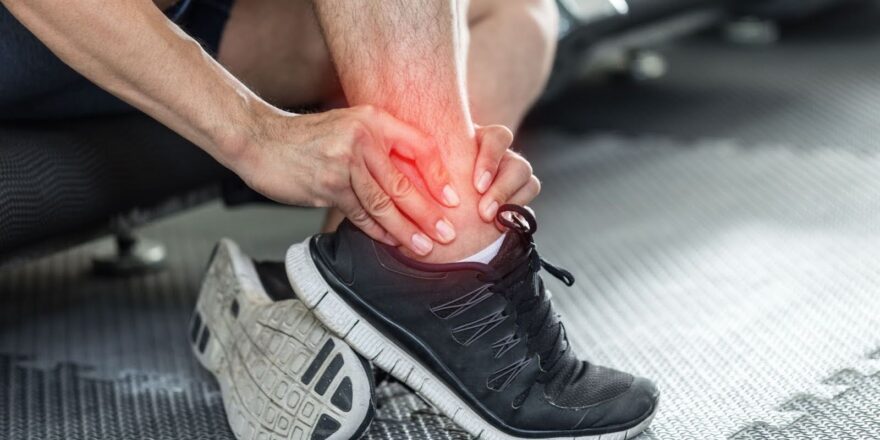



Hip pain can be very disturbing for individuals, especially when it starts to interfere with your daily life. One common cause of such discomfort is hip arthritis. This condition develops slowly over time and can affect your ability to walk, bend, or even sit comfortably. The good news is, if caught early with the help of the best hip replacement surgeons in Abu Dhabi, you can take steps to manage the symptoms and reduce further damage.
In this blog, we’ll help you understand what hip arthritis is, how to spot the early warning signs, and what you can do to slow its progression. If you’re looking for long-term relief, knowing when to seek help from an orthopedic doctor in Abu Dhabi can make all the difference.
What is Hip Arthritis in Individuals?
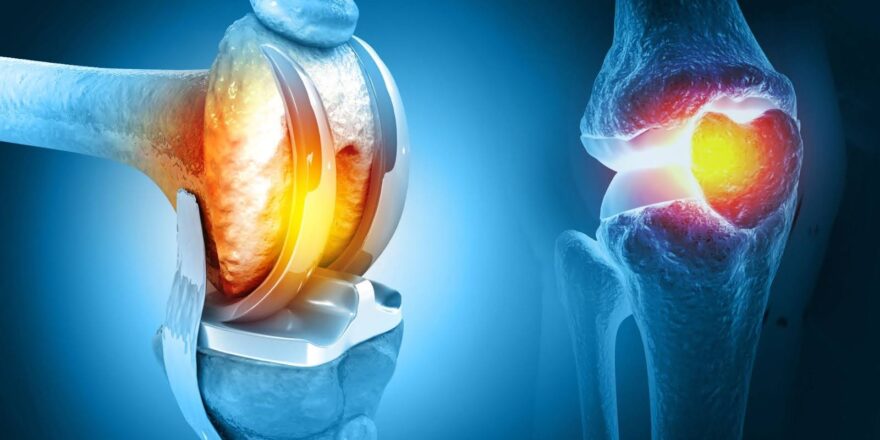
Arthritis refers to inflammation in the joints, often leading to discomfort and reduced mobility. In hip arthritis, the smooth cartilage that normally acts as a cushion between the bones gradually breaks down. As this cushioning layer wears away, the bones may begin to rub directly against each other, resulting in irritation, swelling, and pain.
Hip arthritis comes in several forms, with osteoarthritis being the most common. Often referred to as “wear-and-tear” arthritis, it typically appears in older adults but can also affect younger people following an injury.
Early Signs of Hip Arthritis in Individuals
The symptoms of hip arthritis often start slowly and may come and go in the beginning. People sometimes mistake the signs for muscle strain or aging. However, catching these early signals is key to slowing the disease and maintaining mobility.
a) Pain in the Hip or Groin Area
An early symptom often includes a deep, aching pain or sudden sharp discomfort in the hip, groin, or buttock area. This pain can become more noticeable during movement or after sitting still for an extended time.
b) Stiffness in the Morning or After Rest
You might notice that your hip feels stiff when you wake up or after sitting for a long time. This stiffness usually improves once you start moving.
c) Difficulty Walking or Bending
As arthritis progresses, simple tasks like walking, climbing stairs, or bending to tie your shoes may become harder. You might also notice a slight limp, requiring the assistance of an ortho doctor near me.
d) Limited Range of Motion
Your hip may not move as freely as before, & you could find it difficult to rotate your leg or move it sideways.
e) Clicking or Popping Sounds
Some people feel or hear a clicking, popping, or grinding sound when they move their hip. This may be a sign of worn-out cartilage or joint damage.
f) Swelling or Tenderness
While not always present, some cases of hip arthritis come with swelling or warmth around the joint. It is also recommended to avoid pressing on the area, as it might cause pain.
What Causes Hip Arthritis in Individuals?
a) Age: The likelihood of developing hip arthritis increases as a person grows older.
b) Previous injuries: A fracture or dislocation can damage the joint.
c) Obesity: Extra weight puts more stress on the hip joint.
d) Genetics: Family history may play a role.
e) Repetitive stress: Jobs or sports that involve repeated hip motion can contribute.
f) Other health conditions: Diseases like rheumatoid arthritis or lupus may affect the joints.
How to Slow the Progression of Hip Arthritis
a) Keep Moving with Joint-Friendly Activities
Doing light activities like walking, swimming, or cycling can help keep the hip muscles strong and the joint flexible. It’s wise to avoid high-impact exercises, such as jumping or sudden, forceful movements, as they can place extra strain on the hip and increase the risk of injury.
b) Support Your Joints with a Balanced Weight
Extra body weight increases the strain on your hip joints, which may lead to quicker cartilage wear over time. Shedding even a few kilos can make a noticeable difference in reducing joint stress and easing discomfort.
c) Stretch Regularly
Light stretching can enhance flexibility and ease joint stiffness. According to a nearby orthopedic specialist, it’s best to concentrate on stretches that involve the hips, thighs, and lower back for optimal support.
d) Use Hot and Cold Therapy
Warm compresses can relax stiff muscles, while cold packs help reduce swelling. Alternate between these two approaches depending on your symptoms.
e) Take Joint-Friendly Supplements
Talk to your doctor at the best hospital in Abu Dhabi about supplements like glucosamine or omega-3 fatty acids, which may support joint health and reduce inflammation.
f) Physical Therapy
A trained orthopedic therapist in Abu Dhabi can guide you through exercises that improve mobility and strengthen supporting muscles. They can also show you how to move safely to protect your hips.
g) Use Supportive Shoes and Aids
Wearing cushioned & supportive shoes reduces pressure on your hips. In some cases, a cane or walker recommended at the best orthopedic clinic in Abu Dhabi can provide additional stability.
When to See an Orthopedic Doctor in Abu Dhabi
If hip pain becomes a regular part of your life, it’s time to get professional help. An orthopedic doctor in Abu Dhabi can perform physical exams and imaging tests and create a treatment plan based on your needs.
You don’t need to wait for the pain to become severe. Seeing a doctor at an orthopedic clinic early can help slow the disease and keep you active for longer. They may suggest advanced treatments such as injections or, in some cases, surgery, but these are usually considered only after other methods don’t work.
Thus, living with hip arthritis requires some lifestyle changes, but many people continue to live active and fulfilling lives with the right care. The goal is not only to reduce pain but also to prevent the condition from getting worse.
Simple choices like moving more, eating well, and listening to your body can make a big difference. Regular checkups with your orthopedic doctor in Abu Dhabi can help track changes and catch any complications early.
Expert Guidance and Treatment at Tarmeem Orthopedic Hospital in Abu Dhabi
At Tarmeem Orthopedic & Spine Specialty Hospital, our orthopedic doctors in Abu Dhabi specialize in diagnosing and treating joint conditions like hip arthritis. Our experienced orthopedic doctors use the latest tools and techniques to detect arthritis early and create a personalized treatment plan that fits your lifestyle and health needs.
Whether you need pain management, physical therapy, or surgical evaluation, our hospital in Abu Dhabi offers comprehensive care under one roof. Our goal is to help you stay mobile, reduce pain, and slow down the progression of arthritis so you can continue living life on your terms.
Don’t ignore the early signs, and if you’re experiencing hip pain or stiffness, connect with a specialist at Tarmeem Orthopedic & Spine Specialty Hospital and take your first step toward healthier joints today.